2026-11-08 · Mike Ellison
How to Handle Basement Flooding After Heavy Winter Rains in Washington
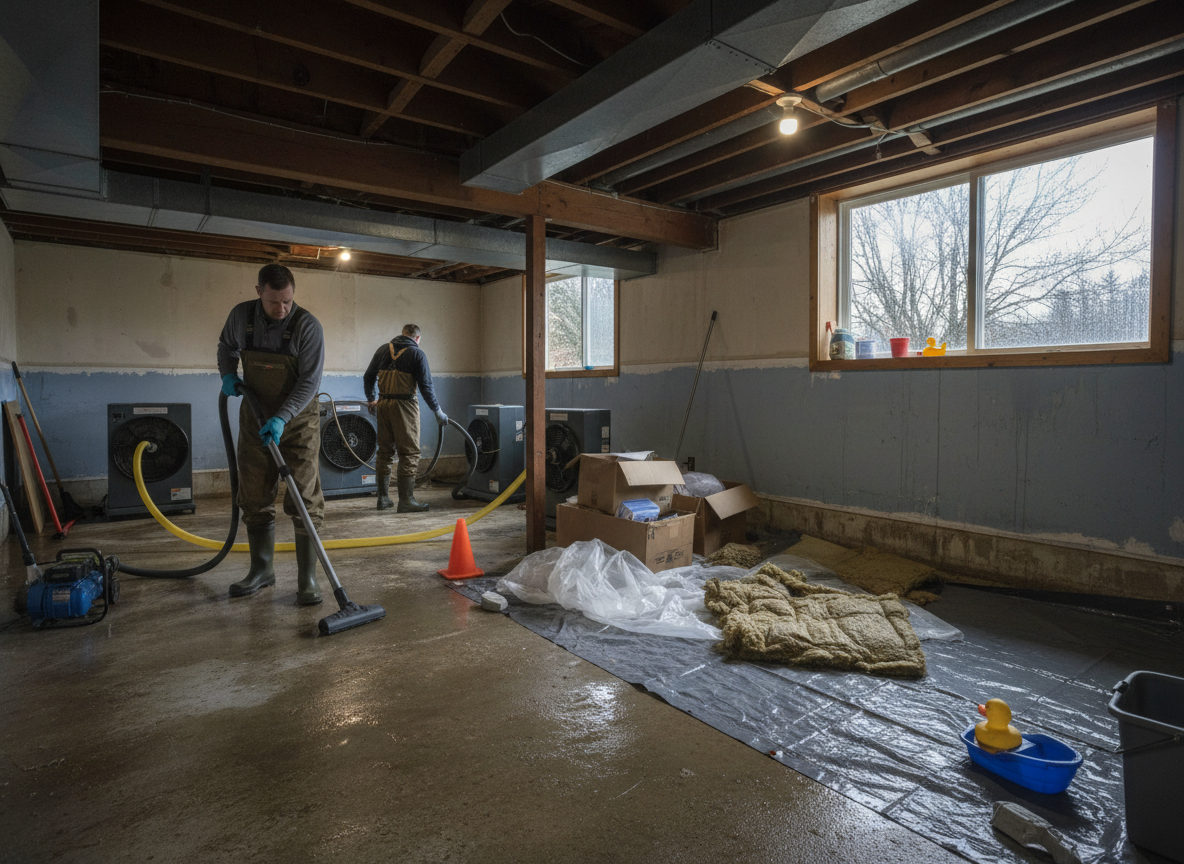
Start by shutting off power to the affected area and avoiding contact with floodwater until you confirm it is not contaminated. In Washington, winter rains often saturate clay-heavy soils around older homes in Kent and surrounding neighborhoods, pushing water through foundation cracks within hours of a downpour. Move valuables to higher ground immediately, then document the water depth and affected materials with photos before any cleanup begins. This initial response window of the first 24 hours determines how much secondary damage occurs.
Prioritize Safety and Initial Assessment
Before any water removal, verify electrical safety by locating the main panel and isolating circuits that serve the basement. Washington homes built before 1980 often have outdated wiring that fails when exposed to moisture, creating shock hazards in standing water. Wear rubber boots and gloves, and never enter a flooded space if you smell gas or see sparks. Measure water depth at multiple points and note which materials are saturated—carpet, drywall, or insulation absorb water differently and require distinct removal methods. Check for sewage backup, common after heavy rains overwhelm Kent's aging municipal lines. Document everything for insurance purposes, then ventilate the space if outdoor temperatures allow without letting in more rain. These steps prevent injuries and set the stage for effective restoration.
Extract Standing Water Promptly
Use a submersible pump or wet vac to remove bulk water within the first 12 to 24 hours. In Washington winters, temperatures often stay in the 40s, slowing natural evaporation and allowing moisture to wick into concrete walls and floors. Focus first on the lowest points near the foundation, then work outward. Renting equipment rated for 50-plus gallons per minute handles typical basement loads faster than household shop vacs. Once visible water is gone, extract trapped moisture from carpet pads and baseboards using specialized tools. Delaying extraction past 48 hours increases the risk of mold colonies forming in hidden cavities. Homeowners in the Kent area report that prompt removal cuts total restoration time by half compared with waiting for professional arrival.
Thorough Drying and Dehumidification
Deploy commercial air movers and dehumidifiers to bring moisture content below 15 percent within three to five days. Washington’s damp winter air holds high relative humidity, so standard household fans alone rarely suffice. Position equipment to create airflow across all wet surfaces, including behind baseboards and under subfloors. Monitor readings daily with a moisture meter—drywall that stays above 1 percent moisture after a week needs replacement. Hardwood floors in older Washington homes can cup or buckle if dried too quickly from one side only. Run dehumidifiers continuously and empty collection tanks before they overflow. Proper drying prevents hidden mold growth that later requires Water Damage Restoration.
Address Potential Mold and Structural Issues
Inspect for mold within 48 hours of drying completion, focusing on areas where water contacted organic materials. Washington’s mild winters allow mold to grow year-round once humidity exceeds 60 percent. Cut away and discard saturated drywall at least 12 inches above the water line. Treat remaining surfaces with EPA-registered antimicrobials only after the structure is fully dry. Check sill plates and rim joists for rot, especially in homes built on crawl spaces that connect to basements. If mold covers more than 10 square feet or returns after cleaning, professional remediation is required. Early intervention keeps repair costs lower than full gut-and-replace jobs common after prolonged saturation.
Long-Term Prevention Measures
Install or upgrade exterior grading so soil slopes away from the foundation at least 6 inches over 10 feet. In Kent’s clay soils, add French drains or sump pumps with battery backup to handle winter rain surges. Seal foundation cracks with hydraulic cement and apply waterproofing membranes on the exterior when feasible. Extend downspouts at least 5 feet from the house and keep gutters clear of debris that accumulates during fall storms. These measures reduce recurrence rates for homes in the Washington area that see 40-plus inches of annual rainfall concentrated in winter months.