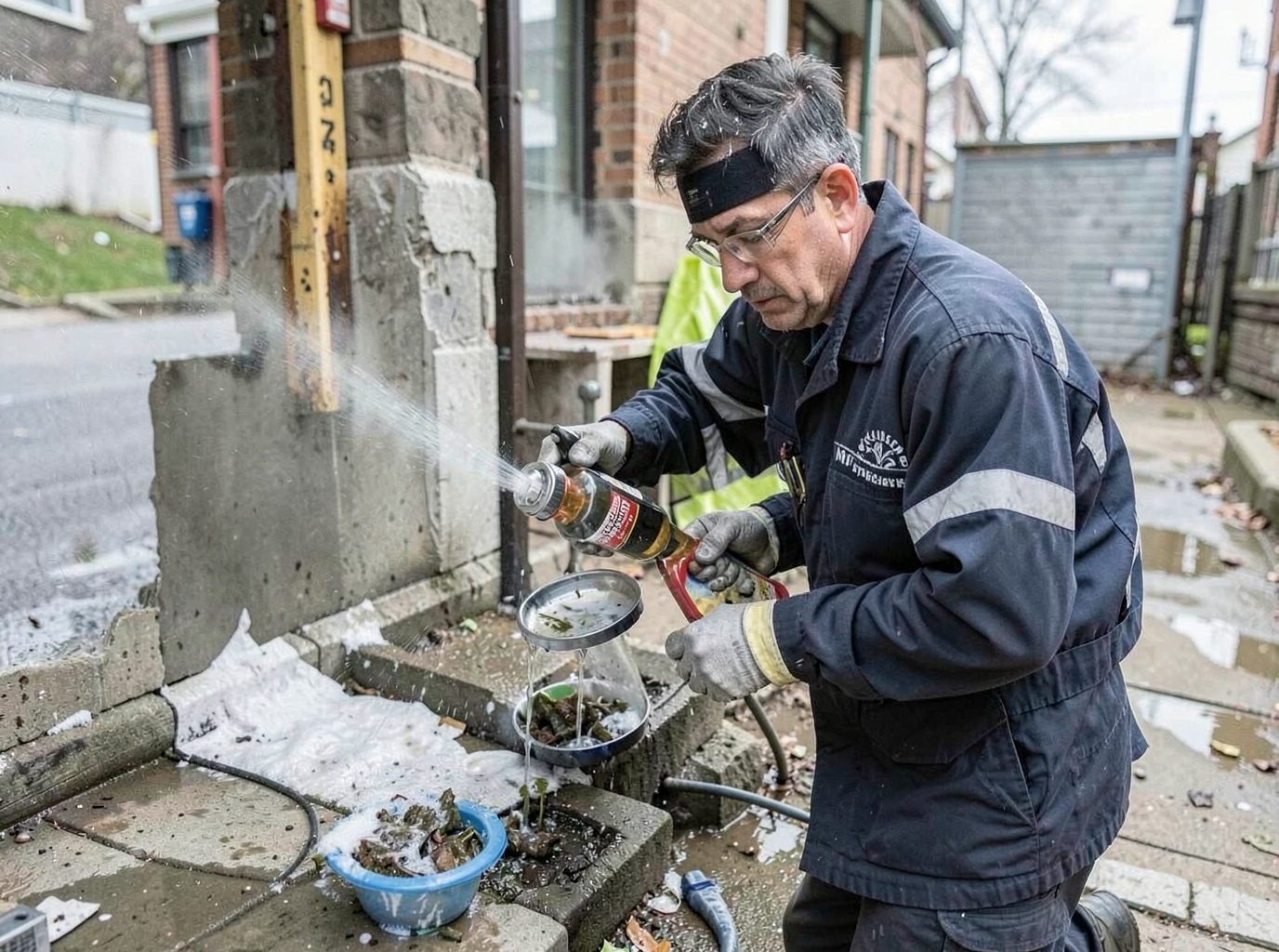
Kent homes built from the 1970s onward often sit on slabs or have crawl spaces that trap water after heavy Pacific Northwest rains. When the Green River backs up or storm drains overflow near 70th Ave, moisture travels under flooring and into wall cavities within hours. Technicians start with moisture meters and thermal imaging to map hidden saturation before any demolition begins.
Washington building codes require proper ventilation and vapor barriers in crawl spaces, yet many older properties in the Kent valley still lack them. Removing water without addressing the vapor drive leads to recurring mold on joists and subfloors. Crews use commercial air movers and dehumidifiers sized for the square footage and then document moisture readings daily until levels match unaffected areas.
Sewage backups from municipal lines are common along South 196th Street after prolonged wet weather. These jobs demand full PPE, containment, and disposal following King County health guidelines. Technicians separate salvageable contents, dispose of porous materials, and apply EPA-registered antimicrobials only where structural wood remains.
Final verification includes post-drying readings logged for the homeowner and any insurance adjuster. Work stops only when every affected material meets the dry standard for the region’s typical 50–60 percent indoor humidity.
Technician insight
In Kent the thing that catches most people out with water damage restoration is how quickly moisture travels under the slab or into the crawl space once the Green River rises. Homes along 196th and 70th Ave often have older vapor barriers that fail during a single heavy rain event, so you end up drying joists you never planned on touching.
Crawl space flooding after December rain
A 1980s ranch near 70th Ave S took water through the foundation vents when storm drains backed up. Meters showed saturation in the subfloor and rim joists. Extraction and four days of drying returned readings to normal; only the carpet pad and a section of baseboard needed replacement.
Water Damage Restoration Services We Offer
✓Emergency Water Extraction
Rapid removal of standing water from basements and slabs using truck-mounted pumps before it migrates into walls or subfloors.
✓Structural Drying and Dehumidification
Placement of commercial drying equipment sized for Kent crawl spaces and slab homes, with daily moisture logging until readings stabilize.
✓Basement Water Damage Repair
Repair of finished and unfinished basements after river or storm-drain flooding common along the Green River corridor.
✓Carpet and Flooring Restoration
Salvage or replacement of saturated carpet, pad, and hardwood in single-story ranch homes typical throughout Kent.
✓Sewage Cleanup and Restoration
Containment, removal, and disinfection after municipal line backups that occur during heavy winter rains in the Kent valley.
Water Damage Restoration Cost in Washington, WA
| Service | Typical Range | What Affects It |
|---|---|---|
| Category 1 clean water extraction | $400–$900 | Size of affected area and number of days equipment runs |
| Category 2 gray water job | $800–$1,800 | Containment and disposal requirements |
| Category 3 black water cleanup | $1,500–$3,500 | PPE, disposal, and antimicrobial steps |
| Crawl space drying add-on | $300–$700 | Access difficulty and vapor barrier condition |
Ranges are typical for Washington, WA and confirmed with an exact written quote before any work starts.
How it works
- 1
On-Site Assessment
Technician arrives from the Kent shop, maps all wet materials with meters, and photographs damage for insurance.
- 2
Water Removal
Standing water is extracted and contents are moved out of the affected zone.
- 3
Drying Phase
Air movers and dehumidifiers run until moisture readings match unaffected areas of the home.
- 4
Restoration And Verification
Repairs are completed and final readings are documented before equipment is removed.
Pricing
Pricing varies by water category, affected square footage, and drying duration. Most Kent jobs fall into the ranges below.